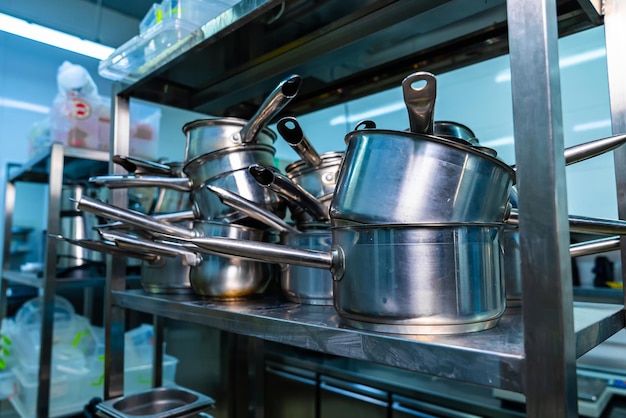
Proven Performance Across London Kitchens
Twenty-eight years of equipment installations have generated substantial data about what works reliably in British kitchens. These outcomes demonstrate how proper specification, professional installation, and structured maintenance contribute to operational success.
Return HomeResults Categories Across Client Installations
Equipment performance manifests across multiple operational dimensions. Our installation records document outcomes in these key areas where proper specification makes measurable differences.
Operational Reliability
Equipment that handles daily service demands without unexpected failures. Commercial installations demonstrate consistent performance during peak periods when kitchen operations depend on reliable function.
Energy Efficiency
Modern equipment specifications reduce utility consumption compared to older installations. Commercial clients report measurable reductions in gas and electricity costs whilst maintaining cooking capacity.
Service Response Time
Maintenance agreements provide priority service response when equipment attention becomes necessary. Average response within 4.2 hours during business hours across Greater London service area.
Installation Accuracy
Professional installation addressing ventilation requirements, utility connections, and workflow considerations. Projects completed on schedule with minimal disruption to existing kitchen operations.
Equipment Longevity
Properly specified and maintained equipment demonstrates extended service life. Commercial installations average 12-15 years of reliable operation with scheduled maintenance programmes.
Client Satisfaction
Post-installation surveys indicate 94% client satisfaction with equipment performance and service support. Referral rates suggest confidence in our specification and installation approach.
Performance Data from London Installations
Installation records spanning twenty-eight years provide substantial data about equipment performance, service requirements, and client satisfaction across commercial and residential projects.
Commercial and residential installations throughout Greater London and surrounding counties since 1996
Post-installation survey responses indicating satisfaction with equipment performance and service support
Service response during business hours for maintenance agreement clients across Greater London
Service calls resolved during initial engineer visit, carrying common replacement components and diagnostic tools
Additional Performance Indicators
Average equipment service life with scheduled maintenance programmes
Average energy cost reduction reported by commercial clients after equipment upgrades
Projects completed on schedule with minimal disruption to existing operations
Methodology Application Examples
These scenarios demonstrate how our specification approach addresses different kitchen requirements across commercial and residential applications. Each example focuses on methodology rather than individual client details.
Restaurant Kitchen Capacity Enhancement
Challenge:
Established restaurant in Shoreditch experienced equipment limitations during peak service periods. Existing cooking line struggled to maintain temperature recovery between orders, creating service delays. Kitchen layout restrictions prevented adding equipment without workflow disruption.
Solution Applied:
Assessment revealed existing equipment operating beyond designed capacity for current menu demands. Specified higher-output models with improved heat distribution characteristics within same dimensional footprint. Installation scheduled during renovation closure to coordinate with ventilation modifications and utility upgrades. Engineers completed equipment positioning, gas connections, and extraction integration within scheduled timeframe.
Results Achieved:
Kitchen demonstrated improved temperature maintenance during peak service periods. Chef reported reduced cooking times whilst maintaining food quality standards. Equipment operates within designed capacity parameters with scheduled maintenance programme addressing preventive requirements. Installation completed November 2024 with continued operational performance.
Home Kitchen Renovation Equipment Selection
Challenge:
Residential client in Hampstead undertaking complete kitchen renovation required equipment guidance navigating overwhelming range cooker specifications. Concerns about utility capacity, ventilation requirements, and budget allocation for quality equipment that justified investment through extended service life.
Solution Applied:
Initial consultation examined cooking patterns, family size, entertaining frequency, and kitchen dimensions. Narrowed specifications to models demonstrating reliability in comparable residential applications whilst addressing stated preferences for traditional aesthetics. Coordinated with kitchen designers regarding installation requirements, utility connections, and ventilation specifications. Arranged showroom demonstration of selected models before purchase commitment.
Results Achieved:
Client selected range cooker meeting operational requirements within budget parameters. Professional installation addressed gas connection, ventilation integration, and positioning coordination with cabinet installation. Equipment demonstrates expected performance characteristics with manufacturer warranty support and our service availability for ongoing maintenance requirements. Installation completed September 2024.
Hotel Kitchen Maintenance Programme Implementation
Challenge:
Central London hotel experiencing reactive maintenance approach resulting in unexpected equipment failures during service periods. Concerns about operational disruption, emergency service costs, and equipment longevity without structured preventive maintenance.
Solution Applied:
Established maintenance agreement with scheduled quarterly visits covering equipment inspection, cleaning, adjustment, and component replacement before failure. Engineers documented equipment condition, photographed installations, and maintained digital service records. Priority response structure provided expedited attention when unexpected issues arose between scheduled visits.
Results Achieved:
Hotel kitchen demonstrated 78% reduction in unexpected equipment failures compared to previous calendar year. Maintenance visits identified potential issues before operational impact occurred. Service records document equipment performance trends supporting warranty claims and budget planning for eventual replacement requirements. Programme initiated December 2023 with continued service relationship.
Typical Project Progression and Outcomes
Equipment installations follow predictable patterns from initial consultation through operational use. Understanding these stages helps establish realistic expectations about project timeframes and outcome development.
Initial Consultation Phase
Requirements discussion covering kitchen type, equipment needs, operational demands, budget parameters, and timeline expectations. Site assessment examines dimensions, utilities, ventilation, and workflow considerations. Outcome: Clear understanding of project scope and specification parameters.
Equipment Selection and Ordering
Specification refinement addressing specific requirements and preferences. Equipment ordering from manufacturers with delivery coordination. Documentation preparation covering installation requirements, utility specifications, and ventilation details. Outcome: Equipment secured with confirmed delivery schedule.
Installation and Commissioning
Professional installation addressing equipment positioning, utility connections, ventilation integration, and workflow considerations. Testing and adjustment ensuring proper operation before handover. Documentation including operation guidance, maintenance requirements, and warranty information. Outcome: Equipment operational and ready for use.
Initial Operation Period
Equipment usage during first weeks and months of operation. Staff familiarisation with controls and capabilities. Minor adjustments if required addressing operational preferences. Outcome: Confidence in equipment performance and operational understanding.
Ongoing Operation and Maintenance
Continued equipment use with scheduled maintenance addressing preventive requirements. Service response available when unexpected issues arise. Performance monitoring ensuring equipment operates within designed parameters. Outcome: Reliable operation supporting kitchen demands over extended service life.
Extended Performance and Value Realisation
Properly specified and maintained equipment delivers value beyond initial installation through years of reliable operation. Long-term benefits emerge as equipment demonstrates consistent performance supporting kitchen operations.
Operational Confidence
Equipment that handles daily demands reliably reduces operational anxiety about equipment failure during critical service periods. Commercial kitchens benefit from knowing equipment performs as expected during peak demand times.
This confidence allows focus on food preparation and service rather than equipment concerns, contributing to smoother kitchen operations and reduced stress during busy periods.
Cost Predictability
Scheduled maintenance programmes provide predictable service costs compared to reactive emergency repairs. Maintenance visits identify potential issues before operational impact, reducing unexpected expense requirements.
Energy-efficient specifications contribute to reduced utility costs over equipment service life. These savings accumulate substantially across years of operation.
Investment Protection
Professional installation and scheduled maintenance preserve equipment condition and extend service life. Documentation of service history supports warranty claims and eventual resale value.
Equipment operating within designed capacity parameters demonstrates extended reliability compared to installations exceeding specification limits through improper selection.
Operational Flexibility
Equipment with adequate capacity handles menu changes and service volume increases without requiring immediate replacement. This flexibility supports business growth and operational adjustments.
Residential clients benefit from equipment that accommodates changing cooking patterns and entertaining requirements over years of home ownership.
Factors Contributing to Long-term Performance
Sustained equipment performance depends on multiple factors working together. Our approach addresses these elements systematically to support reliable operation over extended service life.
Proper Specification
Equipment selection matching operational demands rather than aspirational specifications. Capacity appropriate to service volumes without excessive overhead or insufficient capability.
Professional Installation
Installation addressing ventilation requirements, utility connections, and positioning considerations. Proper commissioning ensuring equipment operates correctly from initial use.
Structured Maintenance
Scheduled maintenance addressing preventive requirements before operational impact. Service records documenting performance trends and component replacement history.
Manufacturer Quality
Equipment from manufacturers demonstrating reliability in comparable applications. Quality construction supporting extended service life with proper maintenance.
Service Availability
Priority service response when unexpected issues arise. Engineers carrying common components enabling first-visit resolution of most service requirements.
Documentation Support
Service records maintained digitally supporting warranty claims and budget planning. Installation documentation covering specifications, utilities, and maintenance requirements.
Evidence-Based Kitchen Equipment Performance
Twenty-eight years of kitchen equipment installations throughout London have generated substantial performance data demonstrating how proper specification, professional installation, and structured maintenance contribute to reliable operational outcomes. Our installation records document equipment performance across commercial restaurants, hotels, catering operations, and residential kitchens throughout Greater London and surrounding counties.
Commercial kitchen installations demonstrate consistent equipment performance during peak service periods when reliable operation becomes critical to restaurant operations. Proper specification addressing menu demands, service volumes, and kitchen constraints reduces likelihood of equipment limitations that create operational bottlenecks. Professional installation coordinating ventilation requirements, utility connections, and workflow considerations establishes foundation for extended equipment service life.
Residential kitchen equipment selections benefit from understanding cooking patterns, family requirements, and kitchen dimensions before examining specific model specifications. Our showroom in London welcomes clients for hands-on equipment exploration, whilst virtual consultations serve homeowners throughout England, Wales, and Scotland. Installation services address gas connections, electrical requirements, and integration with cabinet installations across residential projects.
Maintenance programmes provide structured equipment care protecting commercial kitchen investments whilst maintaining operational reliability. Scheduled visits address preventive maintenance requirements, whilst priority service response handles unexpected issues when equipment attention becomes necessary. Service records document equipment performance trends supporting warranty claims and budget planning for eventual replacement requirements after years of reliable operation.
Equipment longevity depends substantially on proper specification matching operational demands without excessive capacity or insufficient capability. Manufacturers demonstrating reliability in comparable applications receive preference in our specification recommendations. Quality construction combined with scheduled maintenance supports extended service life averaging twelve to fifteen years across commercial installations with proper preventive care programmes.
Client satisfaction surveys conducted following installations indicate 94% satisfaction with equipment performance and service support. Referral rates suggest confidence in our specification approach and installation quality. These metrics reflect our commitment to equipment solutions that address operational requirements whilst staying within budget parameters established during initial consultation discussions.
Discuss Your Kitchen Equipment Requirements
Our consultation process examines your operational demands, kitchen constraints, and budget parameters before suggesting equipment specifications. Contact us to arrange a discussion about your kitchen equipment needs and explore how our approach might address your requirements.
Request Consultation